















Ramadan is a month of intention, reflection, and a slower daily rhythm. In UAE, this shift is visible in everyday life through adjusted working hours, quieter afternoons, and evenings becoming the heart of the day. Even though February brings milder weather compared to peak summer, fasting and changes in sleep and routine can still affect energy levels.
For dog parents, this can raise a simple but important question: how do you stay fair to your dog when your own energy feels lower than usual?
Staying fair does not mean doing more. It means continuing to care with awareness, balance, and responsibility.
Ramadan in the UAE: A Shift in Energy, Routine, and Timing
Ramadan naturally reshapes daily schedules. Many people experience quieter mornings, slower afternoons, and fuller evenings centered around Iftar and prayers. During Ramadan in the UAE, these changes are officially recognized through adjusted work schedules and public guidance.
For dog parents, this shift can be both a challenge and an opportunity. While daytime energy may feel limited, calmer schedules often allow for more intentional care, even if routines look slightly different.
Dogs as an Amanah: Responsibility During a Month of Intention
In Islam, amanah refers to a trust placed in one’s care. This responsibility extends to animals. Islamic teachings consistently emphasise kindness, mercy, and accountability in how animals are treated.
Caring for a dog during Ramadan is part of this trust. While your personal routine may change, your responsibility to your dog remains. Fairness is not about maintaining the same schedule at all costs, but about continuing to meet your dog’s needs with intention.
What Staying Fair Actually Means When Energy Is Low
When energy drops, fairness becomes flexible. It means choosing consistency over intensity. Small, reliable actions such as feeding on time, regular outdoor breaks, consistent bathroom access, and daily attention help your dog feel secure even when the rest of the day shifts.

Adjusting Daily Care Without Disrupting Your Dog
Morning and Evening Care Around Sehri and Iftar
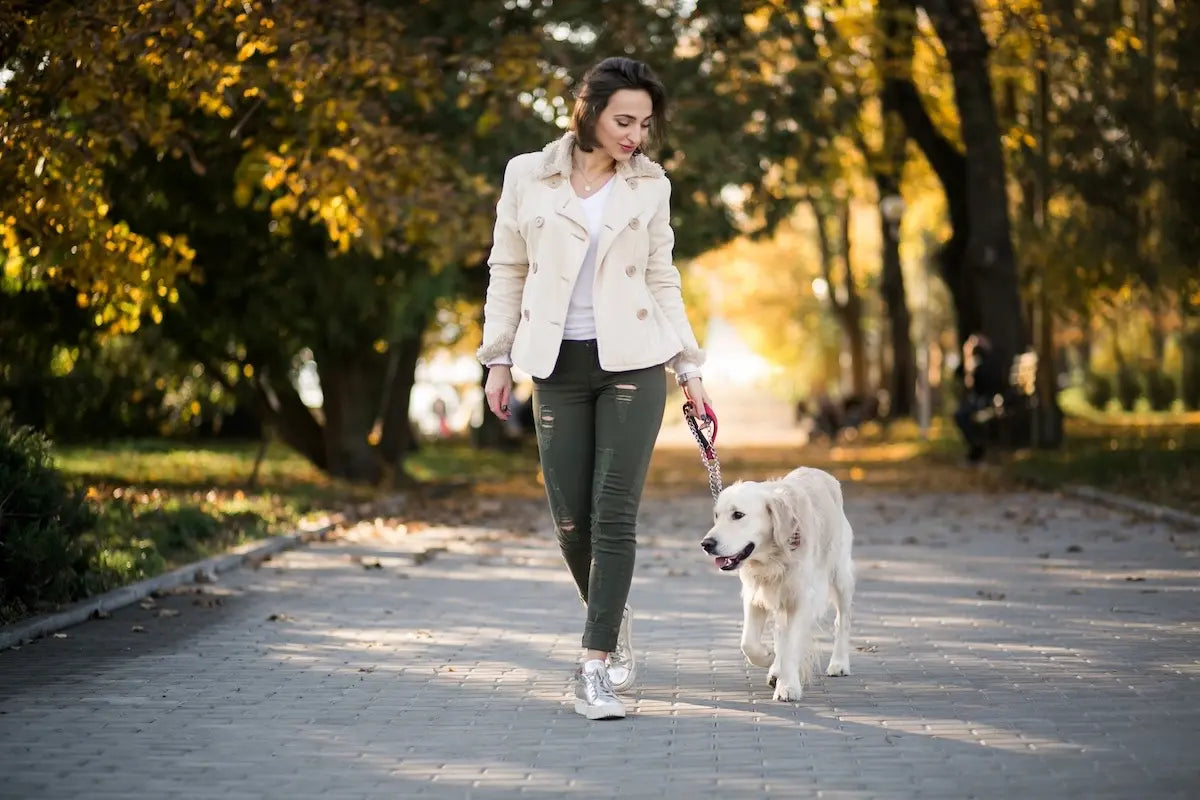
Many dog parents find it helpful to align feeding and walks with early mornings and evenings. These times often suit both energy levels and daily routines during Ramadan. Ensuring your dog has access to fresh water before and after fasting hours is especially important.
Midday Calm: Managing Heat, Rest, and Overstimulation
Even in cooler months, midday sun and household activity can be tiring for pets. Providing a cool, quiet space indoors allows your dog to rest while the home remains active. Calm environments help prevent overstimulation during fasting hours.
Evenings, Prayers, and Settling Your Dog
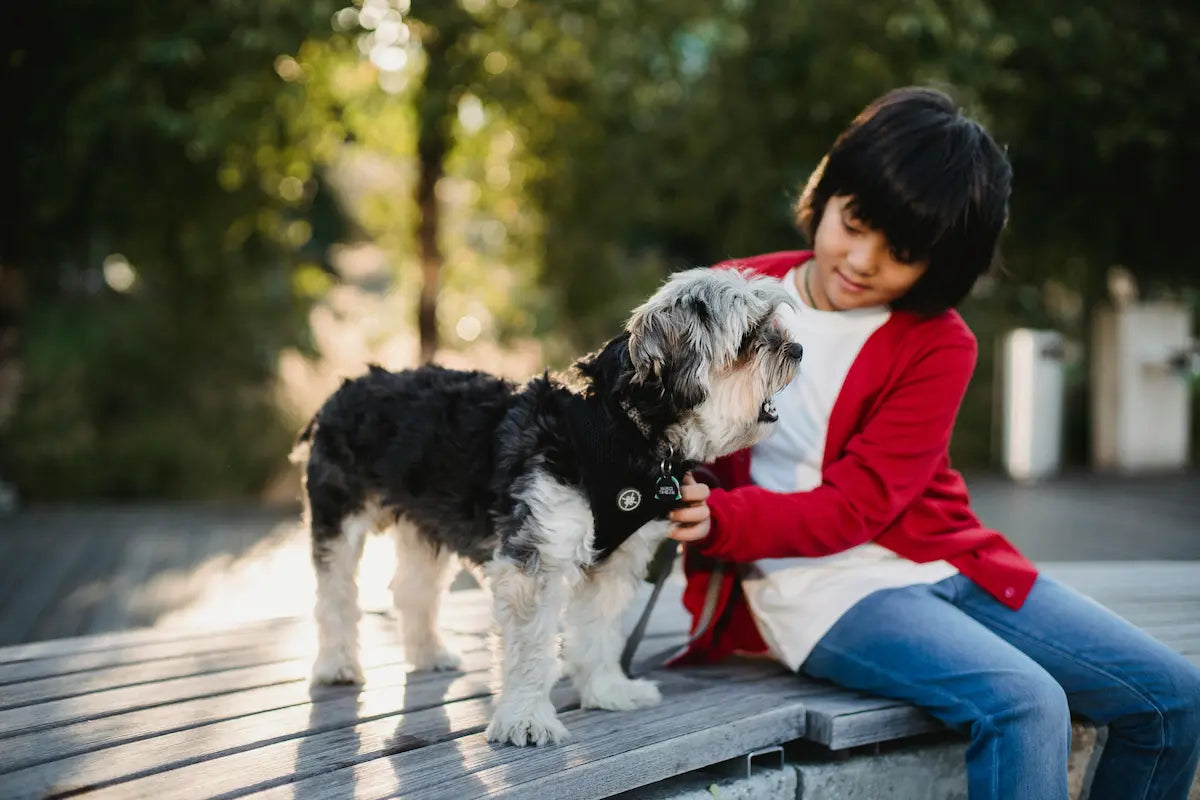
Evenings during Ramadan can be lively. Before heading out for prayers or gatherings, settling your dog with food, water, and a calm environment helps them feel secure. Quiet bonding after sunset can also be a grounding routine for both of you.
When Routine Changes Affect Your Dog’s Behaviour
Dogs are sensitive to changes in timing and household energy. Slight restlessness, clinginess, or changes in sleep are normal responses to routine shifts. Responding with patience rather than frustration reflects mercy in everyday care.
Hydration, Comfort, and Safety in the UAE Context
Hydration remains essential throughout Ramadan. Clean water should always be accessible, and living spaces should be well ventilated and comfortable. Thoughtful adjustments protect your dog’s wellbeing without adding pressure to your day.

A Gentle Ramadan Checklist for Dog Parents
- Predictable feeding times.
- Early morning or evening walks.
- Daily access to fresh water and indoor comfort.
- Calm, focused attention each day.
- Patience with yourself and your dog.
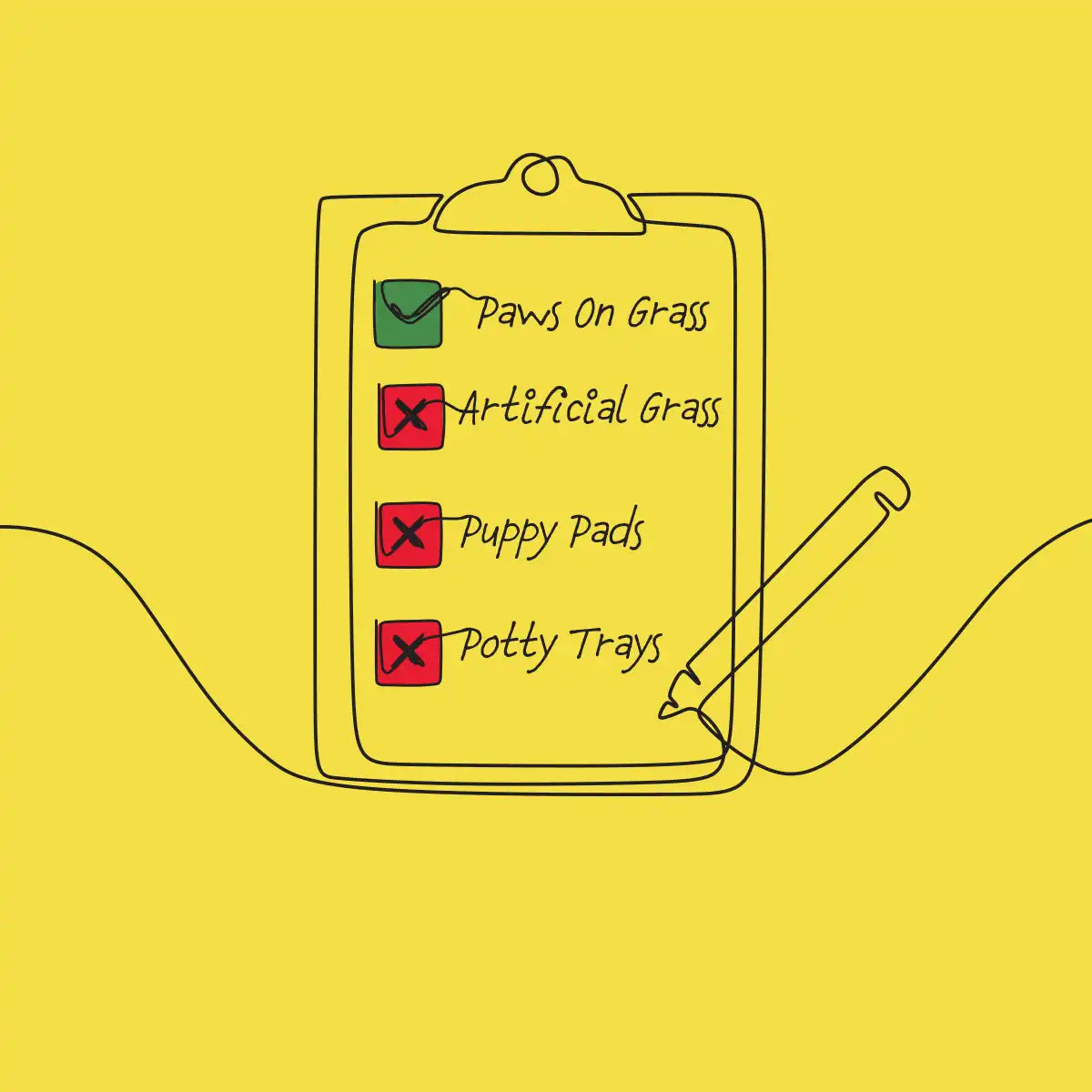
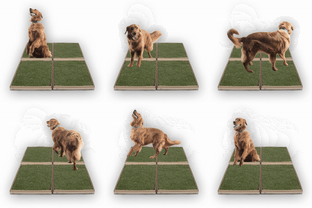
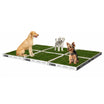
In addition to feeding and walks, maintaining reliable bathroom access during shifted Ramadan schedules helps dogs stay settled and secure, especially when daily timing changes.
FAQs: Dog Care and Ramadan
Can Muslims touch dogs during Ramadan?
Yes. Muslims can touch dogs during Ramadan. Many people choose to wash their hands afterward, especially before prayer, as cleanliness is an important part of worship.
Do dogs need to fast during Ramadan?
No. Dogs should not fast unless advised by a veterinarian for medical reasons. Pets should continue their regular feeding routines.
Is it okay to change my dog’s routine during Ramadan?
Yes. Small, thoughtful adjustments are normal. Maintaining consistency in key areas helps dogs adapt comfortably.
When is the best time to walk dogs in Dubai during Ramadan?
Early mornings and evenings after sunset are often ideal, aligning with cooler temperatures and lower activity levels.
Are dogs permissible in Islam?
Depending on the Islamic school of thought, views on dogs can differ. In general, dogs are not considered haram (forbidden), but Islamic teachings place strong emphasis on cleanliness and responsible care. Many Muslims maintain clear hygiene practices in living areas and wash their hands before prayer after contact with a dog. As with many aspects of faith, individual practice may vary.




Leave a comment
This site is protected by hCaptcha and the hCaptcha Privacy Policy and Terms of Service apply.