







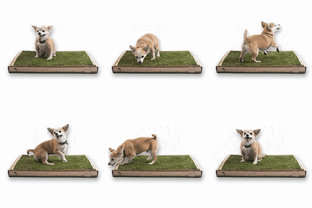
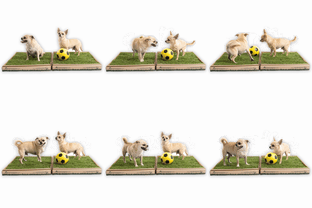
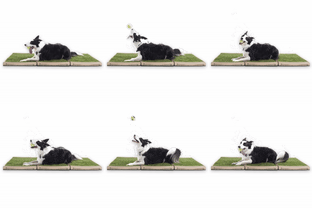
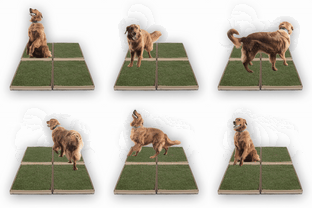



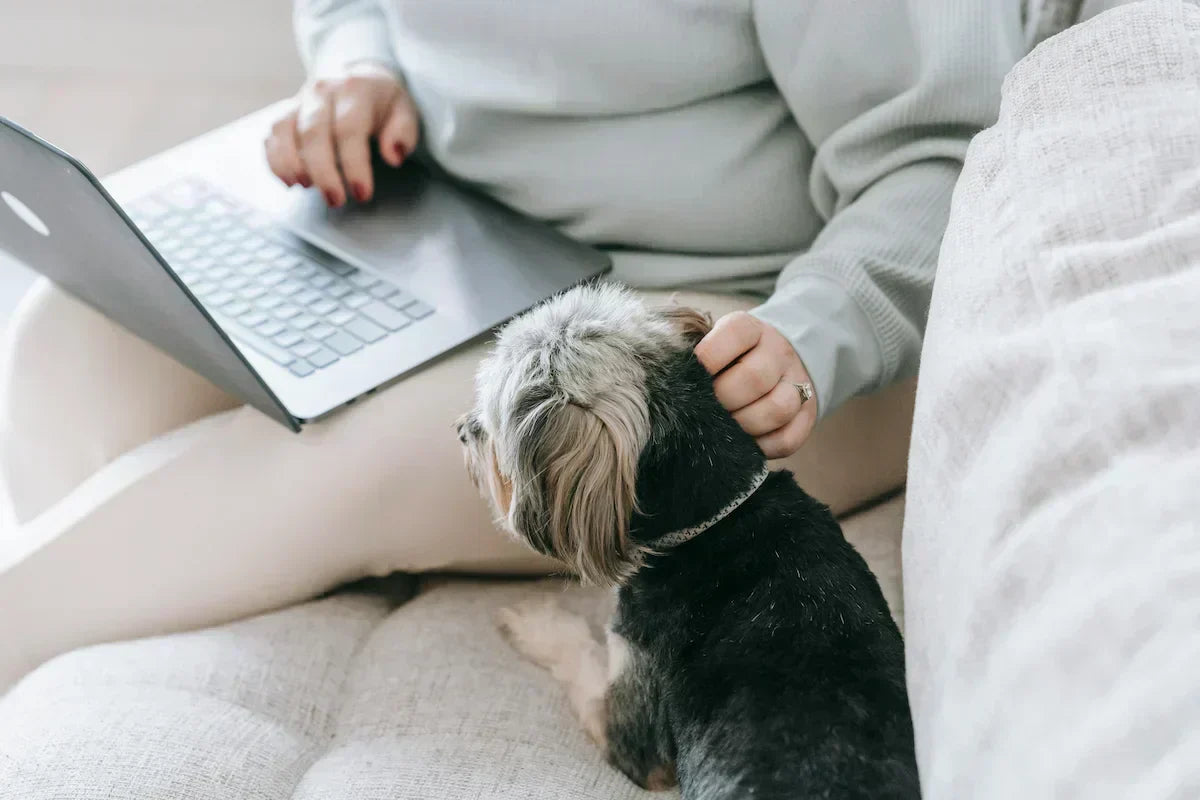
Leaving for work should not feel like you are abandoning your dog.
Yet for many new dog parents in the UAE, especially those living in apartments, busy workdays come with guilt and a dog that seems unsettled the moment the door closes.
This is more common than most people realise.
Dogs are not struggling because they are needy. They struggle because they have not yet learned how to be alone.
Independence is not something dogs are born with.
It is a skill, and like any skill, it is built through small, repeatable moments rather than long hours of separation.
What you will learn in this guide
In this post, you will learn:
- why new dogs struggle with alone time
- how to build a simple workday structure your dog can understand
- how to teach independence in small, realistic steps
- how to create calm indoor freedom without stress

Why Independence Feels Difficult for New Dog Parents
In the early days, most dogs experience constant togetherness.
Mornings, evenings, and weekends are full of attention, while alone time appears suddenly when work starts.
From a dog’s perspective, this change feels confusing.
They have not yet learned that being alone is safe, predictable, and temporary.
Dogs are not born knowing how to self settle.
Calm independence develops through routine and repetition.
Rethinking Independence in Apartment Living
Independence does not mean ignoring your dog.
It means helping them feel secure even when nothing is happening.
Apartment living in cities like Dubai makes this especially important, where outdoor access can be limited and midday heat often shapes daily routines.
Midday walks are not always practical in the Middle East, particularly during warmer months when pavement heat and sun exposure limit outdoor time.
When independence is treated as a skill, it becomes something you can actively teach instead of something you hope your dog grows into.
The Workday Blueprint for Calm Independence
This blueprint breaks the workday into three stable parts your dog can rely on.
These anchors help dogs understand when activity happens and when rest is expected.
Anchor one: Movement before work
Before starting your workday, give your dog a chance to move and reset.
A short walk, light play, or basic training helps reduce restlessness and makes settling easier later.
Anchor two: Purposeful food and enrichment
When food or enrichment appears as the workday begins, alone time feels less empty.
Many apartment dog parents build predictable indoor toilet routines and enrichment into this part of the day to support calm focus.

Structured Potty Schedules for Apartment Dogs
In apartment living, independence is closely tied to predictable bathroom access. When dogs are unsure about where or when they can relieve themselves, restlessness increases.
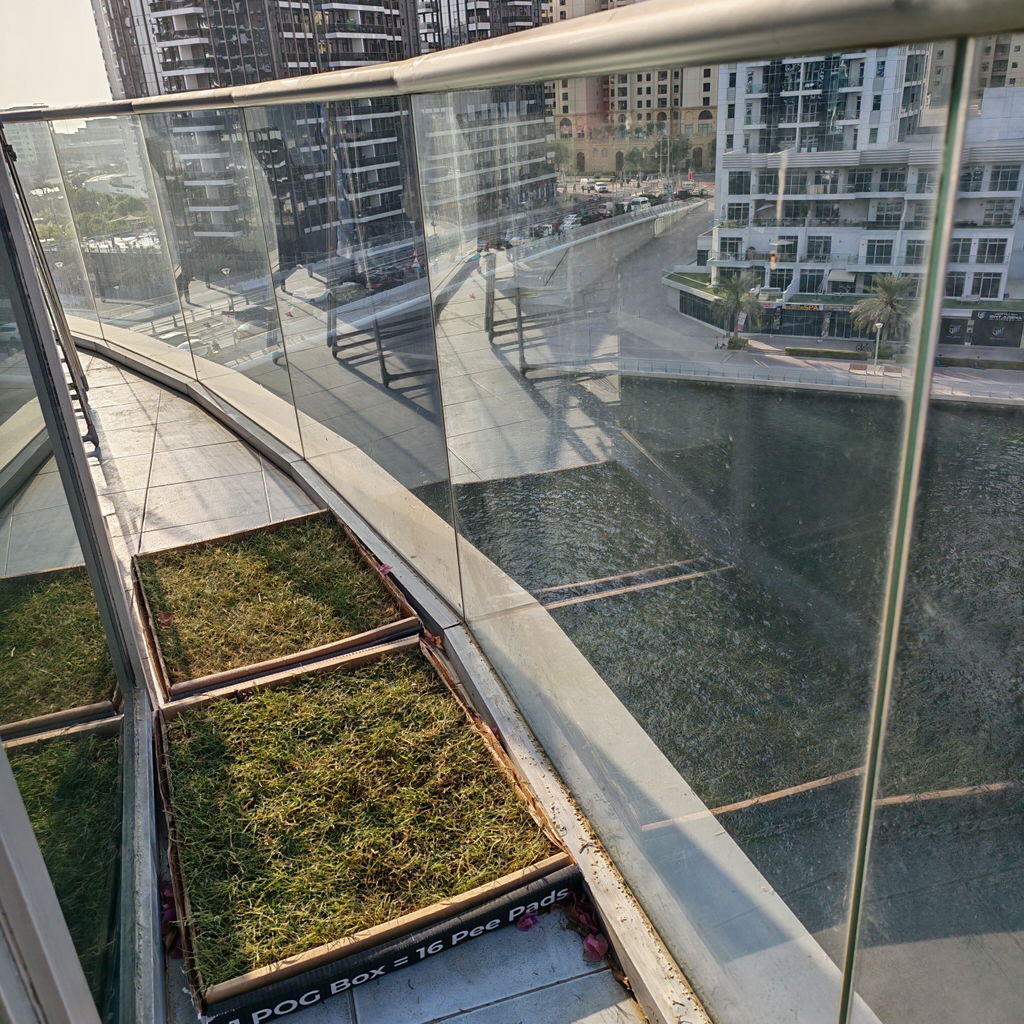
A simple potty rhythm supports workday calm. Morning access, mid-day predictability, and evening resets create clarity. In many UAE apartments, balcony setups become part of this routine, especially when midday walks are limited by work hours or heat.
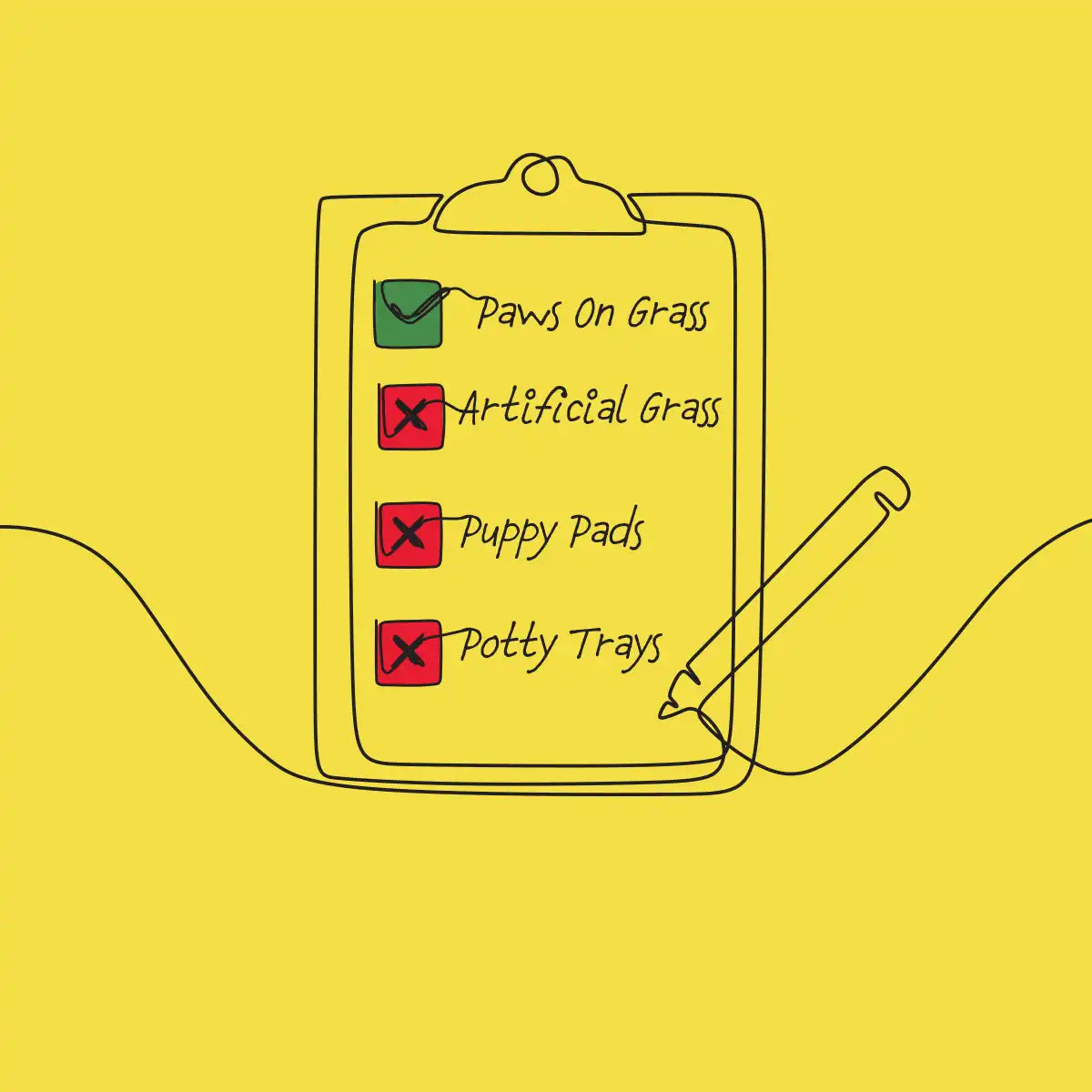
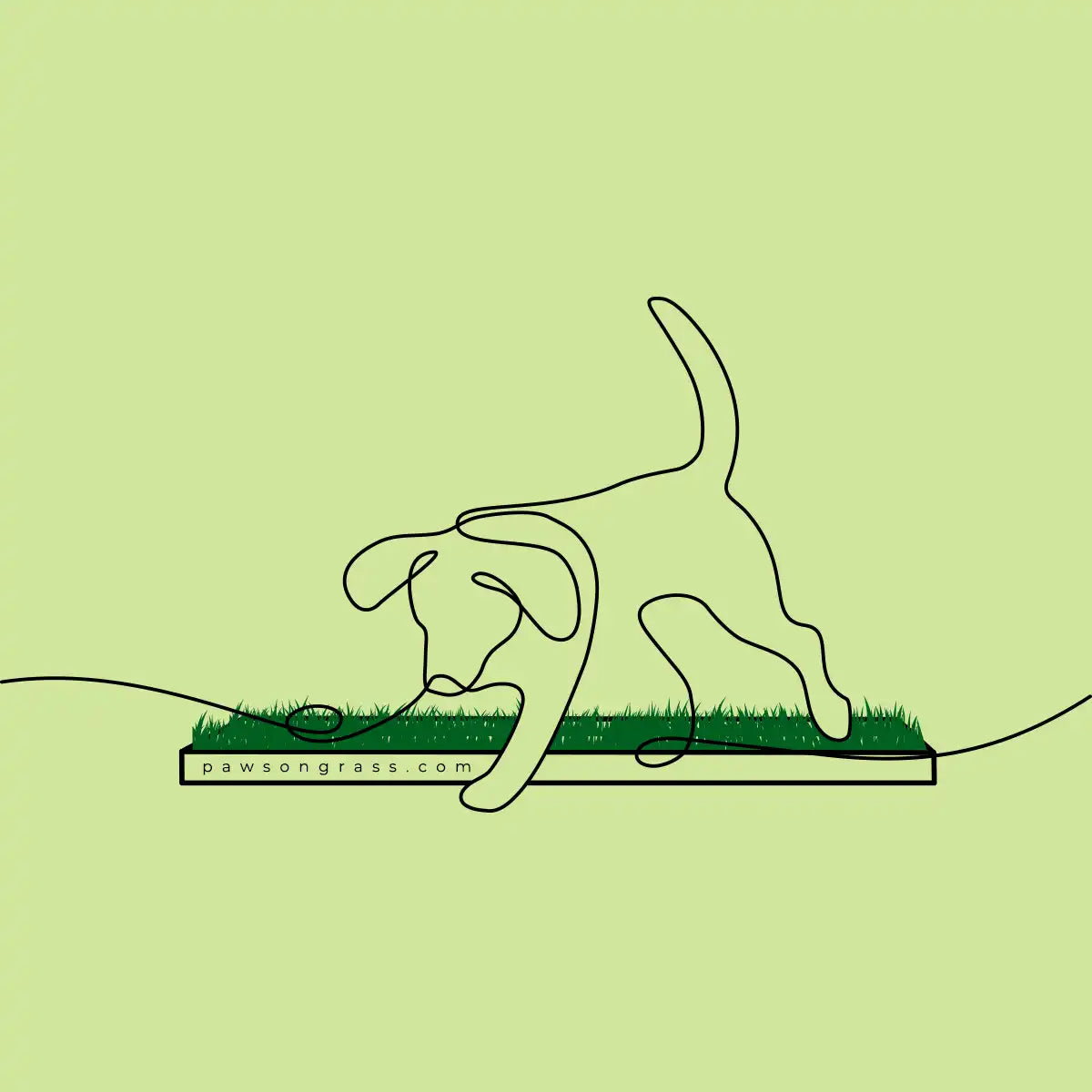
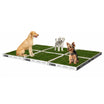
Real grass solutions help maintain natural scent familiarity and reinforce routine. You can explore indoor toilet routines for apartment dogs if you are building a structured setup that supports independence.

Anchor three: Protected rest time
Dogs need clear signals that it is time to rest.
A consistent setup and familiar resting space teach dogs that doing nothing is safe.
Teaching Independence Through Small Steps
Independence starts inside the home.
Begin with brief separations, such as stepping into another room and returning calmly.
Once this feels normal, practice short exits.
Step outside for seconds rather than minutes and return without excitement.
These small repetitions matter more than long absences.
They help your dog build confidence gradually.
If your dog is also learning indoor bathroom habits, transitions work best when done slowly and consistently, especially when following guidance for successful potty habits.

Creating Indoor Freedom Without Chaos
Not every dog needs full access to the entire home.
Independence often develops faster when dogs have a familiar, calm space.
A good setup includes water, airflow, a comfortable resting spot, and safe enrichment.
Predictability matters more than size.
If you are comparing indoor bathroom options, learning about alternatives to plastic pee pads for indoor use can help you choose what fits your space and routine best.

Building a Calm Home Base
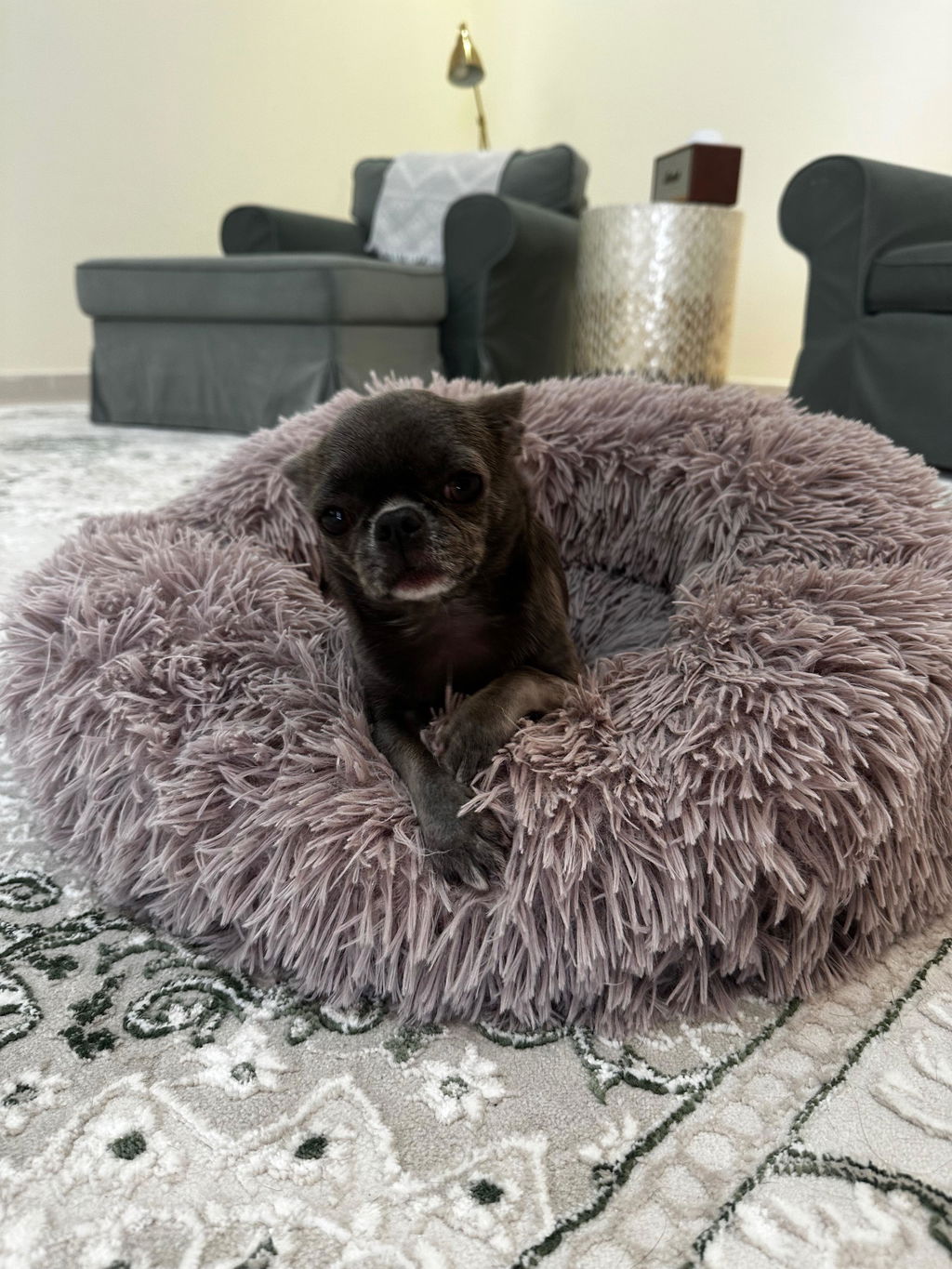
Dogs settle more easily when they have a defined space that feels secure. In urban apartments, a clear home base often works better than full roaming access.
Crate training principles show that a den can represent safety rather than restriction. A structured, comfortable setup signals rest and reduces overstimulation during busy hours.
When thoughtfully styled with solutions like Ra'i Pet Cave or Pebbles Den, this space becomes both a physical and emotional anchor for calm behavior.
Common Habits That Slow Independence
Following your dog everywhere teaches them to do the same.
Only leaving the house for long periods removes learning opportunities.
Responding to every sign of restlessness reinforces attention seeking.
A simple shift helps.
Notice calm moments and allow your dog to settle without interruption.
When Extra Support Is Needed
Some dogs struggle more than others.
If you notice extreme distress or panic when you leave, it may be time to seek professional guidance rather than increasing alone time.
The Takeaway
Independence is built through structure, repetition, and trust.
For busy dog parents, designing calm into the workday makes a meaningful difference.
Start small. Stay consistent. Let independence grow naturally.


Leave a comment
This site is protected by hCaptcha and the hCaptcha Privacy Policy and Terms of Service apply.