












When the world outside feels unsettled, home routines start carrying more weight.
During periods of regional uncertainty, even households trying to stay calm often end up moving through the day a little differently. Walks may become shorter, later, or less predictable. Time outdoors may feel more limited. The mood at home can shift too, and dogs are often quick to notice when something feels off.
A missed walk here and there may not seem like much to us, but many dogs rely on familiar rhythms to feel secure. Walk times, toilet breaks, meals, play, and rest all help create a sense of predictability. When that pattern changes, some dogs become restless, clingy, vocal, withdrawn, or harder to settle.
This is not about pretending the current situation is easy or normal. It is about supporting your dog through it in a steady, practical way. When outside routines change, a calmer structure at home can help dogs feel more secure.
This article offers general guidance only and does not replace advice from your veterinarian or a qualified trainer.
Why routine matters more when walks change
Routine is not about making every day identical. It is about giving your dog enough structure to know what comes next.
That matters even more during unsettled periods, when your household may already be adapting in small ways. If walks happen at different times, outdoor time feels less flexible, or your dog is spending more hours indoors, routine becomes a helpful anchor.
A good home rhythm usually covers the same basics each day:
- toilet opportunities
- meals at roughly expected times
- short play or training sessions
- quiet rest periods
- gentle connection with you
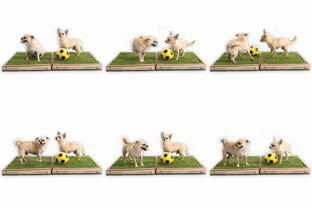
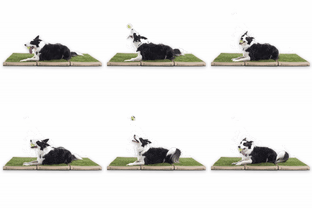
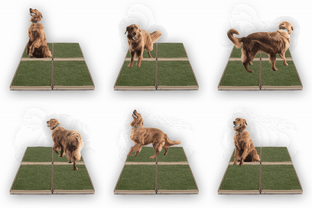
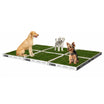
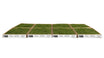
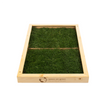
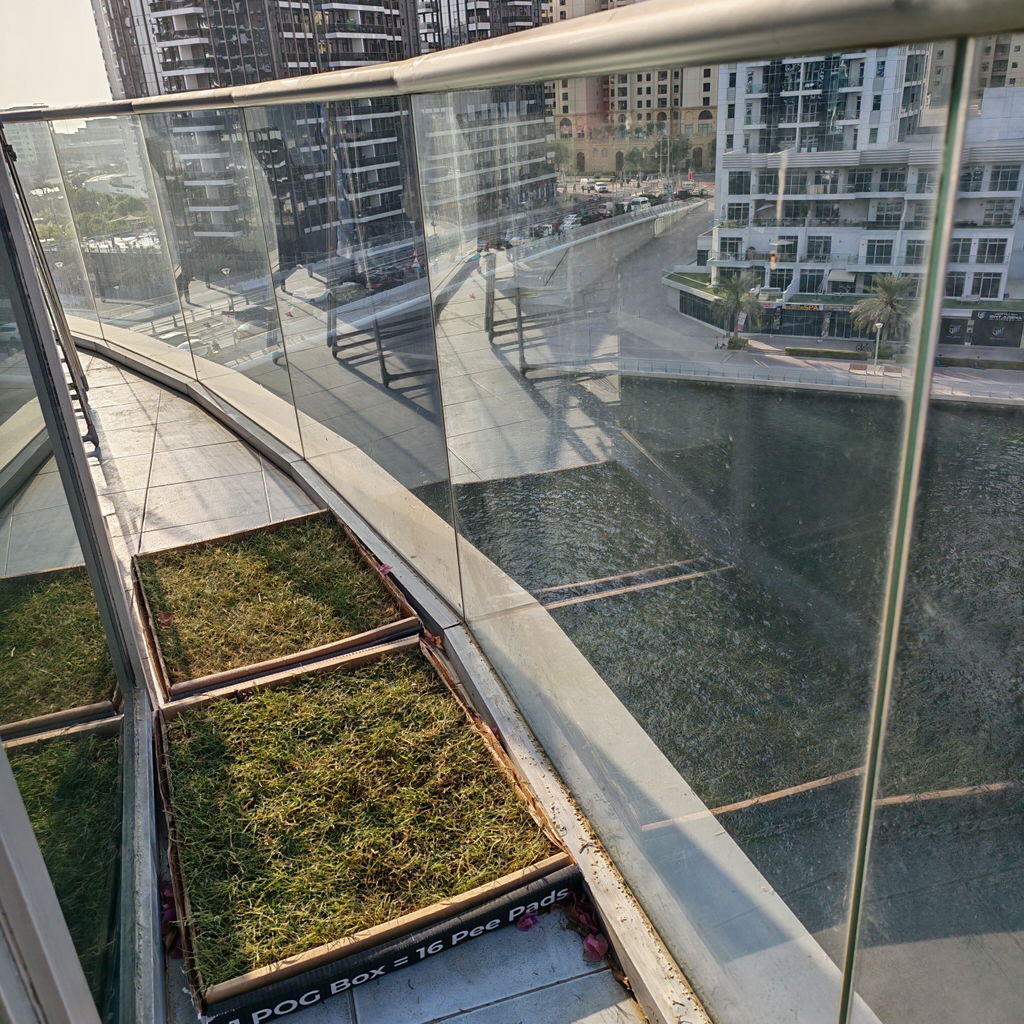
If your dog normally depends on outdoor toilet breaks, this is also where an indoor option can make life easier. A real grass dog toilet can help protect the routine your dog already understands, especially when getting outside is not as straightforward as usual.
Signs your dog may be feeling unsettled
Stress does not always look dramatic. Sometimes it shows up as small behavior changes first.
You may notice pacing, panting, whining, restlessness, extra clinginess, more barking than usual, difficulty settling, or accidents indoors. Some dogs become more withdrawn. Others become more demanding. Even subtle changes can be your dog’s way of responding to a routine that suddenly feels less clear.
The goal is not to correct every behavior instantly. The goal is to notice what your dog may be communicating and make home life feel easier to understand.
Simple ways to support your dog at home
1. Keep the essentials predictable
Try to keep meals, toilet breaks, and bedtime steady, even if walks need to change. The goal is not perfection. The goal is a rhythm your dog can rely on.

2. Replace some walk time with sniffing and brain work
Dogs do not only need physical exercise. They also need mental engagement. On days when outside time feels limited or less comfortable, short indoor enrichment can help release tension and prevent frustration from building up.
Useful options include:
- hiding treats around one room
- short scent games
- a stuffed food toy
- five-minute training sessions
- gentle tug or indoor fetch if space allows
3. Think in short sessions, not one big fix
A few short bursts of activity spread through the day often work better than trying to do everything at once. Ten minutes of sniffing, five minutes of training, and a calm chew later on can go a long way.

4. Make toilet routines easier, not more confusing
If outdoor access becomes inconsistent, try not to leave your dog guessing. Keep the toilet pattern as clear as possible. For apartment dogs, this is where a familiar indoor toilet option can help bridge the gap naturally, especially if your dog already understands grass better than pads.
5. Use calm repetition to build confidence
Simple cues your dog already knows can be grounding. Sit, touch, find it, wait, and place are all useful because they create small, repeatable wins. If your dog is new to indoor grass, keep the process straightforward and reward-based.
The goal is not a perfect day
It is a supported dog.
In uncertain times, most dogs do not need a dramatic reset. They need consistency, gentle enrichment, and a home setup that still makes sense to them. When walks change, keeping the basics familiar can help lower stress for both of you.
You do not need to force normality where things do not feel normal. You just need to give your dog enough structure, comfort, and clarity to move through the day more easily.
If your dog shows sudden severe distress, stops eating, injures themselves, or their behaviour changes sharply, speak to your veterinarian.


Leave a comment
This site is protected by hCaptcha and the hCaptcha Privacy Policy and Terms of Service apply.