










PDP | LOG | Indoor Pet House | How to Use

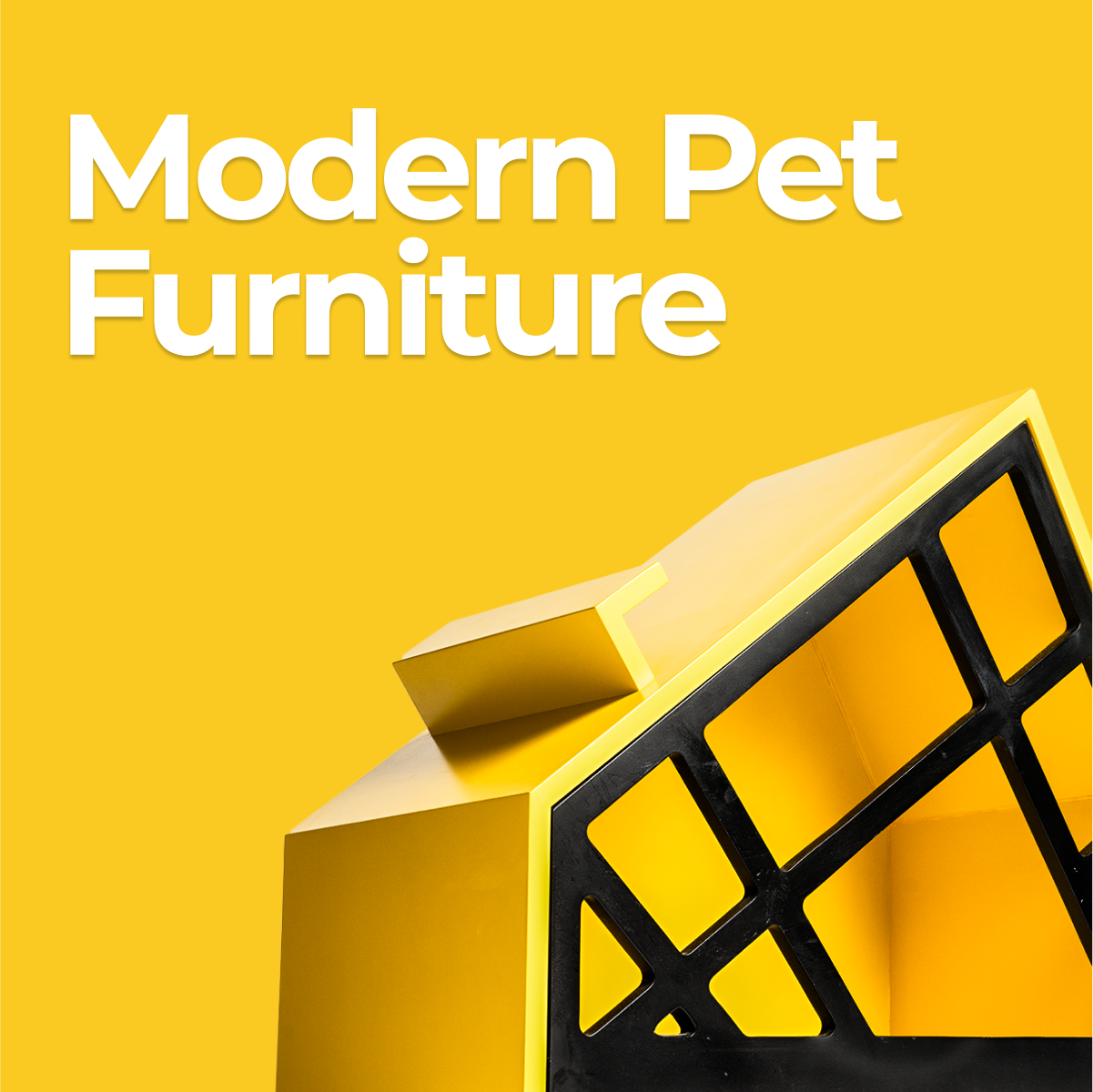
Indoor Pet House — How to Use

Days 1–3

Placement

Place the Pet House in a quiet corner your pet already gravitates toward. Front is open by design, no gate. Put a familiar blanket or their existing bed inside. For cats: add a recently worn piece of your clothing. Let them discover it on their own schedule.

Goal: Your pet has investigated the entrance.
Days 3–7

Encouragement

Place treats at the entrance, then gradually deeper inside. For cats: this stage often takes hours, not days. Cats are drawn to enclosed spaces; the slatted front panel gives them partial cover with sightlines.

Goal: Your pet enters voluntarily and spends time inside.
Days 7–14

Adoption

Watch for voluntary naps. Cats will typically start sleeping inside within the first week. Small dogs may take longer, especially if they are not yet crate-trained. Do not force them inside.

Goal: The Pet House becomes a default resting spot.
Week 2 onward

Established space

Your pet treats it as their spot. They choose it for naps, during guests, or when the house gets busy. The open-front design means they always feel in control — no gate to manage.

For cats

Most cats self-adopt within 48 hours. The slatted front panel gives them the partial enclosure they prefer while maintaining sightlines. Place the Pet House in a room with minimal foot traffic for fastest adoption.

For small dogs

Dogs already crate-trained transition fastest. The open-front design works well for nervous dogs since there is no gate to close. Pair with a familiar-scented blanket and consistent placement. Still building routine? See the training guide →

Use the magnetic side door for cleaning. Dust with a dry microfibre cloth. Spot clean with a damp cloth. Remove and wash bedding weekly.