









You have returned to work, the household schedule has changed, and suddenly your fully trained dog is leaving an unwanted surprise indoors.
It is easy to assume they are protesting your return to the office. But sometimes, the problem is much simpler: their feeding schedule and toilet schedule no longer match your working day.
Meal timing will not solve every indoor accident. However, it can make your dog’s bowel movements more predictable and help you create better toilet opportunities before you leave home.
Here is how to reset the schedule without changing everything overnight.
Why Feeding Time Affects Toilet Time
Food does not enter one end and immediately exit the other. Still, eating can stimulate movement in the digestive system, which is why many dogs need to poop shortly after a meal.
Every dog has their own pattern. One dog may need to go 15 minutes after breakfast. Another may need 30 to 60 minutes. Some dogs are more predictable after their evening meal.
The important part is not finding one universal formula. It is learning your dog’s formula.
When you were on holiday or working from home, this timing may not have mattered much. You could open the balcony door, take them downstairs or notice their signals throughout the day.
Once you return to work, the same breakfast time may leave your dog needing the toilet just after you have left.
That is not bad behaviour. It is a scheduling problem.

Start With Your Real Departure Time
Work backwards from the time you actually leave home.
Suppose you need to leave at 8:00 AM. Feeding your dog breakfast at 7:45 AM and immediately heading out may not give them enough time to eat, digest and use their toilet area.
A more practical morning might look like this:
- 6:15 AM: Morning walk or first toilet break
- 6:45 AM: Breakfast
- 7:15 AM: Second toilet opportunity
- 8:00 AM: Owner leaves for work
This is only an example. Your dog may need a shorter or longer post-meal window.
For three to five days, record:
- When your dog eats
- When they drink
- When they urinate
- When they have a bowel movement
- Whether they appear restless, circle or sniff before going
- When indoor accidents usually happen
A short record is far more useful than guessing.
Do Not Move Breakfast by Two Hours Overnight
If your dog has been eating at 9:00 AM throughout the summer, suddenly serving breakfast at 6:30 AM may confuse their hunger, sleep and toilet routine.
Instead, change your dog’s routine gradually.
You might move breakfast 15 to 30 minutes earlier every day or two until it reaches the new time. Shift the post-breakfast toilet break with it.
Try to keep the food itself, portion size, toilet cue and feeding place consistent while changing the timing. The fewer things you change at once, the easier it is to understand what is helping.
Use the Feeding-Time Formula
A simple back-to-work formula looks like this:
Meal → observation window → toilet opportunity → calm departure
 The toilet opportunity is the part many rushed mornings miss.
After your dog eats, give them enough time to move around normally. Watch for their usual signals, then guide them to their designated toilet area using the same cue every day.
Keep this part calm. It should not become a long play session or a frantic race to make them go before you leave.
When they use the correct spot, reward them immediately. Clear timing helps them understand exactly what earned the reward.
If UAE summer heat still limits outdoor trips, use the cooler early-morning period for the main walk. POP’s 6 AM / 8 PM UAE summer routine offers a practical structure for the hours between safer outdoor walks.

What About the Hours You Are at Work?
Moving breakfast earlier may help with a poorly timed bowel movement, but it does not make every dog capable of waiting through a long workday.
Consider:
- Your dog’s age
- Their usual toilet frequency
- The length of your commute
- How much water they drink
- Any medication or health conditions
- Whether they are a puppy or senior dog
- Whether someone can provide a midday toilet break
Do not reduce your dog’s water to prevent accidents.
Instead, arrange realistic toilet access. This could involve a dog walker, family member, pet sitter or an established indoor toilet area.
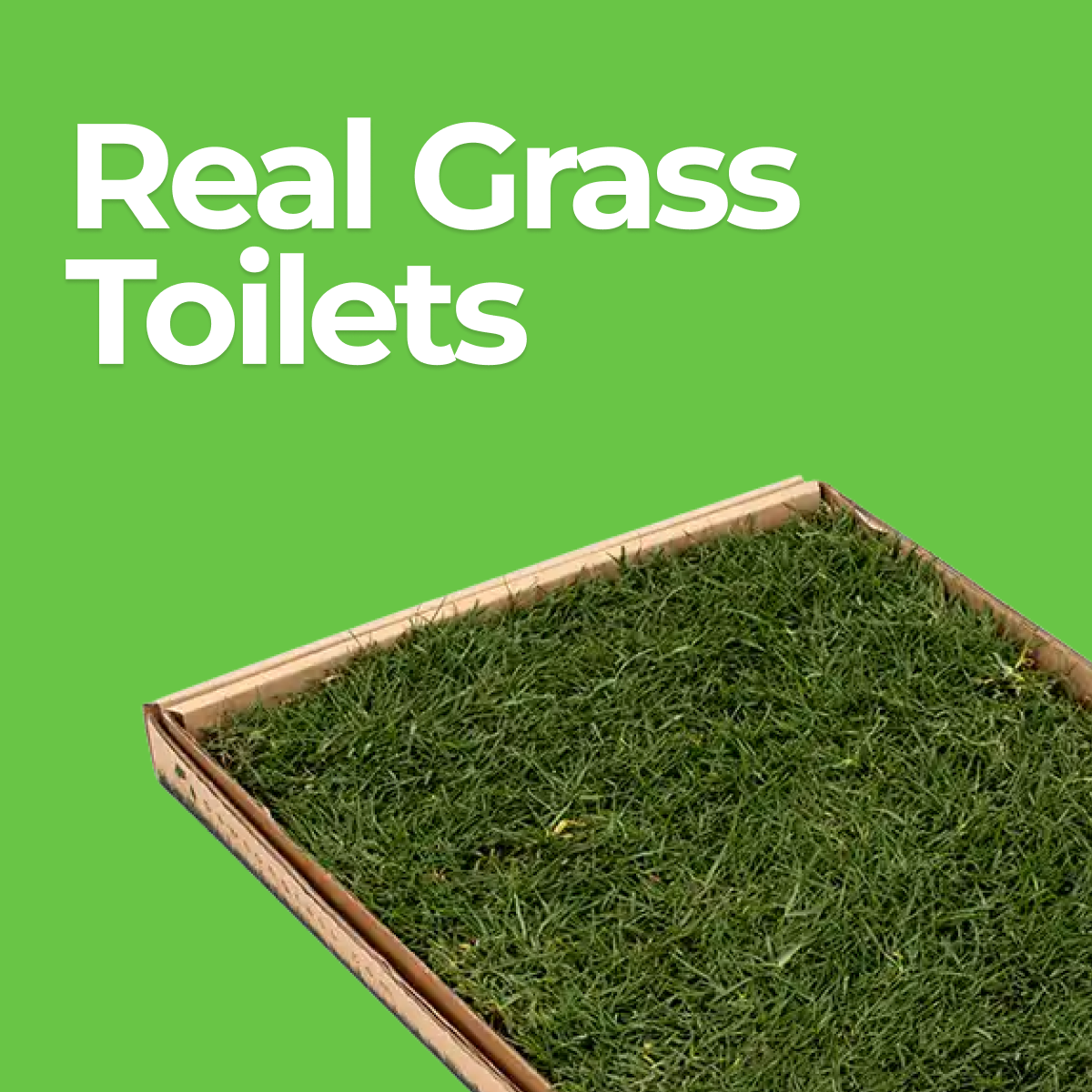
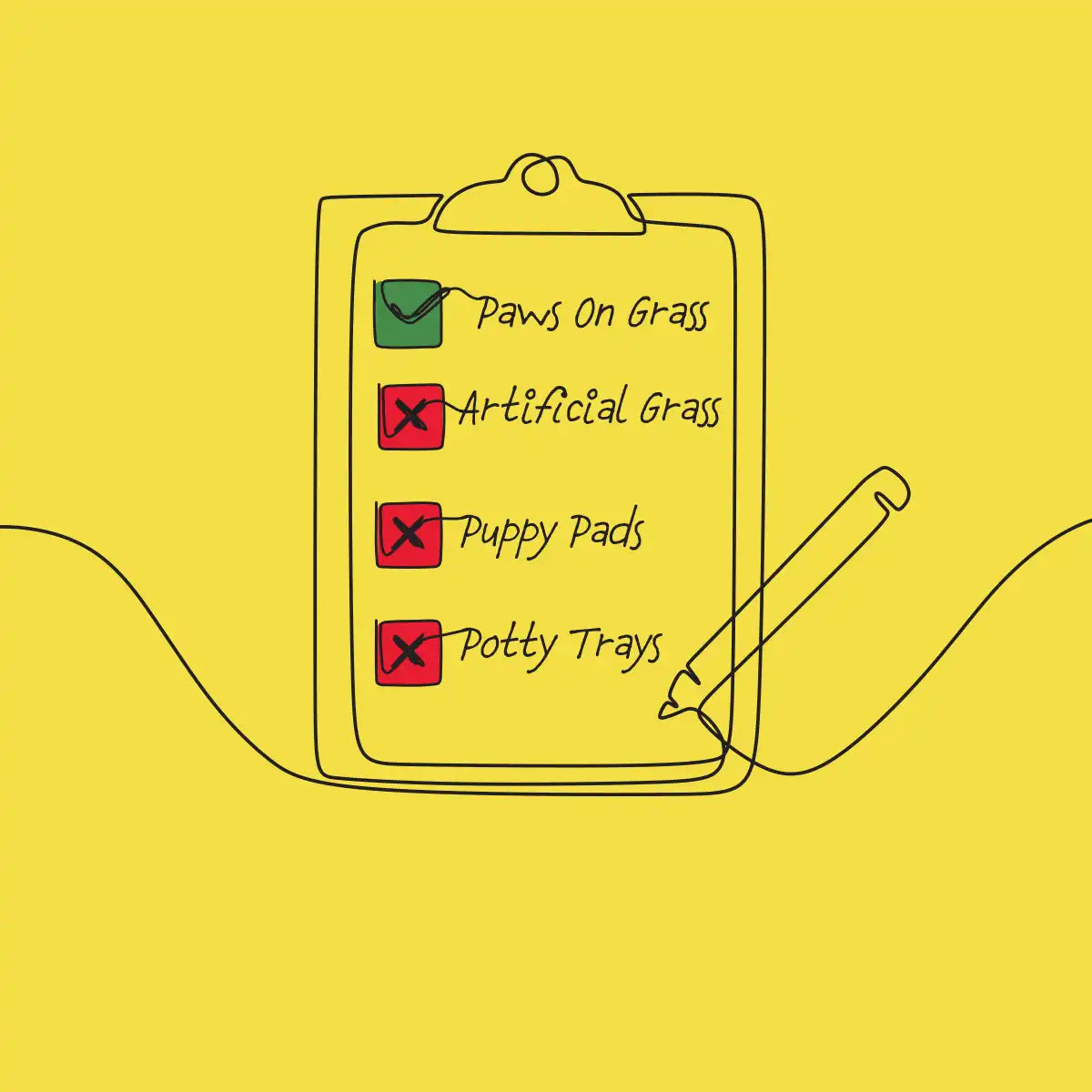
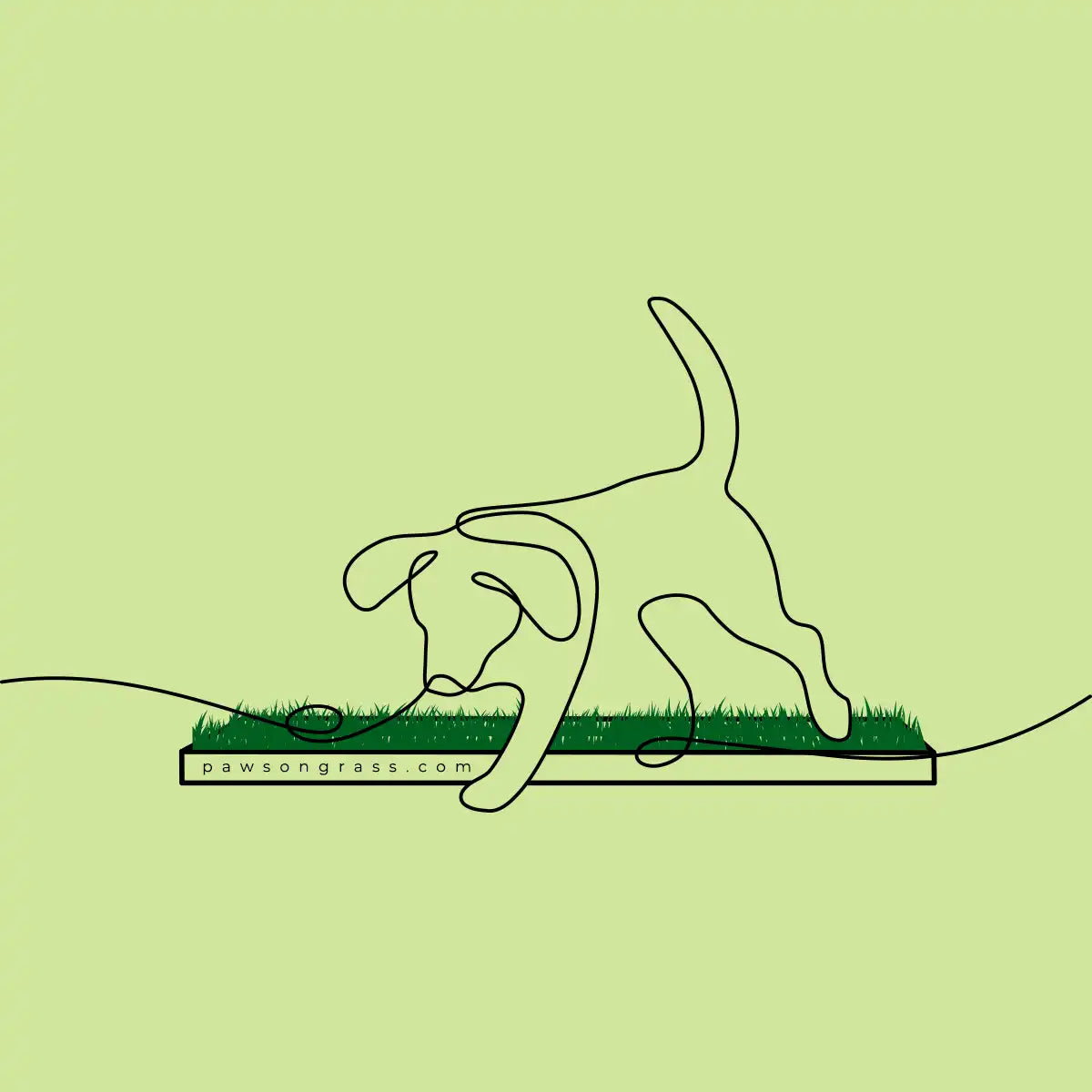
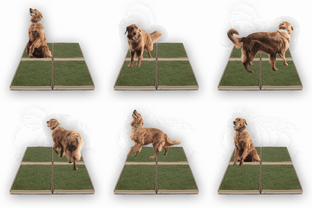
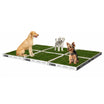
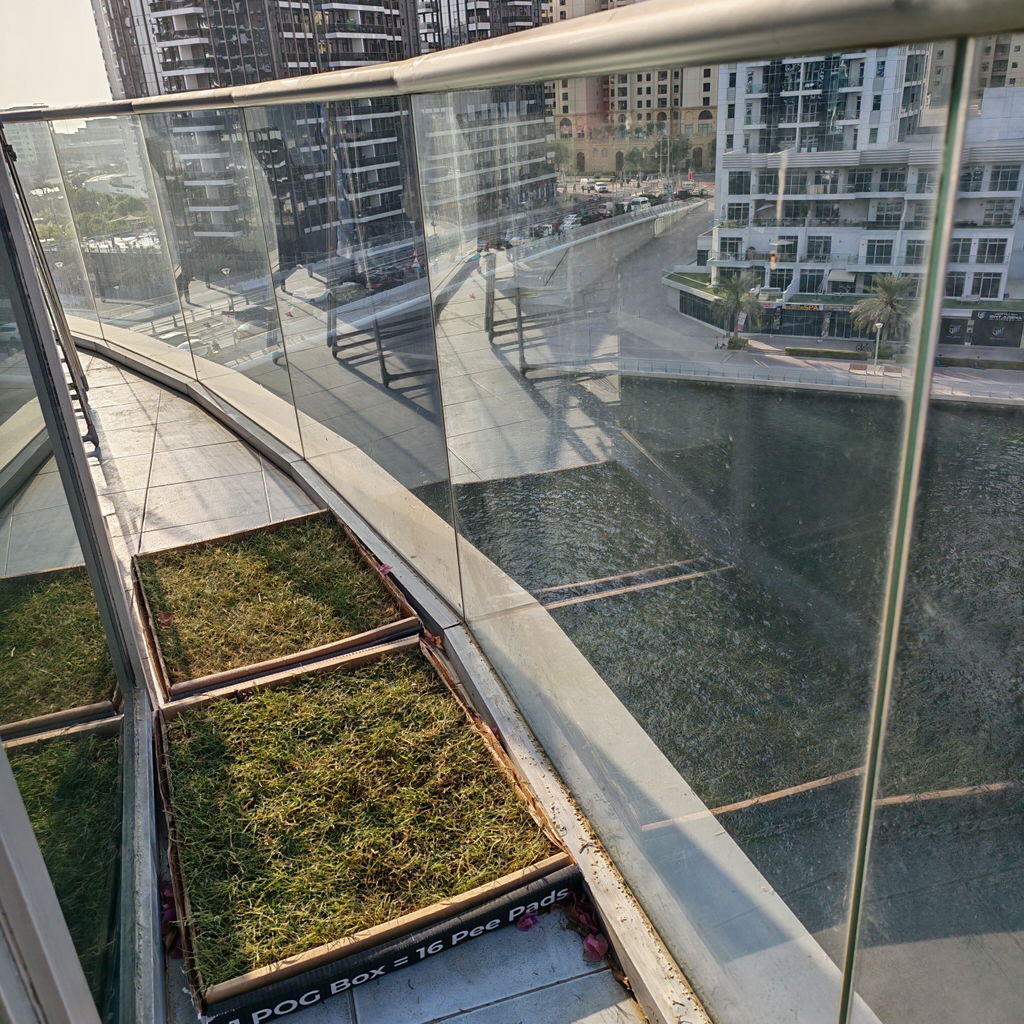
For apartment dogs, a POG real grass toilet can provide a consistent toilet location when owners are at work or the midday UAE heat makes an outdoor trip impractical.
POG should support the routine, not replace walks, movement or interaction. The goal is to give your dog a clear option when waiting until the evening is not comfortable or realistic.
Dogs that are new to indoor grass will still need guidance. Follow POP’s POG training playbook and use the same location, cue and reward consistently.
Meal Timing Will Not Fix Every Accident
Feeding-time changes are most useful when accidents happen at a predictable time, particularly when they involve bowel movements after breakfast.
They are less likely to solve:
- Frequent urination
- Straining to urinate or defecate
- Blood in urine or stool
- Diarrhoea or vomiting
- A sudden increase in thirst
- Leaking urine while sleeping
- Accidents that continue despite regular toilet access
- New house-soiling in a senior dog
If your trained dog suddenly starts having accidents, remember that house-soiling can have medical, behavioural or routine-related causes. Speak to your veterinarian if the change is unexplained, persistent or accompanied by other symptoms.
Do not assume your dog is being stubborn. Pain, digestive problems, urinary conditions, medication changes, stress and age-related changes can all affect toilet habits.
The Takeaway
Your dog does not know that your 8:00 AM meeting has returned.
They only know that breakfast still arrives at one time, their body needs the toilet at another, and the person who usually helps has suddenly disappeared.
A smarter back-to-work routine connects the full sequence:
Feed earlier. Allow enough time. Offer the toilet. Then leave.
Track your dog’s natural pattern, move the schedule gradually and arrange midday support when the workday is longer than your dog can comfortably manage.
Fresh schedule, fewer surprises on the rug.



Leave a comment
This site is protected by hCaptcha and the hCaptcha Privacy Policy and Terms of Service apply.