











It is 11:30 AM on a Tuesday in August.
You are sitting at your office desk, checking your pet-camera app during a coffee break, when you see your dog pacing near the front door and whining softly.
Your heart sinks.
Are they distressed because you returned to work after the summer holidays? Or do they simply need a toilet break?
When UAE households return to work and school schedules, dogs may suddenly spend more time alone than they did during the summer. At the same time, August heat can still limit comfortable daytime outdoor trips.
A pet camera can help you notice useful patterns, but it cannot diagnose separation anxiety or confirm a bladder problem by itself.
The key is to look at where the behaviour happens, when it begins and what your dog does next.
Is It Toilet Urgency or Separation Distress?
Pacing, whining and waiting near the door can appear in both situations.
A dog that needs the toilet may become restless because they associate the front door with outdoor walks. A dog experiencing separation-related distress may also focus on the entrance because that is where they last saw you leave.
This means one camera movement is rarely enough to give you a clear answer.
Instead, look at the full pattern.
Look at Where Your Dog Goes
Pay attention to the areas your dog repeatedly visits.
Possible signs of toilet urgency may include:
- Sniffing the floor with their nose down
- Circling in one area
- Moving towards the balcony or indoor toilet space
- Returning repeatedly to the door used for toilet trips
- Squatting or attempting to toilet
- Restlessness followed by an indoor accident
Possible signs of separation-related distress may include:
- Remaining fixed on the entrance
- Pacing repeatedly between the door and other rooms
- Scratching or jumping at the door
- Reacting strongly to sounds from the corridor or lift
- Panting when the room is not hot
- Drooling, trembling, howling or continuous whining
- Being unable to settle anywhere in the home
The front door alone is not a perfect clue. Your dog may connect it with both your departure and their usual toilet walk.

Look at When the Behaviour Begins
The timing of the behaviour can provide useful context.
Separation-related distress often begins while the owner is preparing to leave or shortly after the departure. Some dogs may react when they see shoes, keys, work bags or other familiar leaving cues.
A physical toilet need may appear after the dog has rested comfortably for several hours.
For example, a dog that sleeps peacefully from 8:00 AM until midday and then begins circling near their toilet area may need relief.
However, timing is not proof.
A dog can need the toilet shortly after you leave, particularly after eating or drinking. An anxious dog may also appear calm at first before becoming distressed later.
Compare the camera footage with:
- The time of your dog’s last toilet break
- Their breakfast time
- How much water they drank
- Their usual toilet pattern
- Their age
- Their health and medication
- The total time they have been alone
For more information about persistent distress, read Dog Anxiety Awareness Week: What UAE Dog Parents Need to Know This Summer.
A Quick Pet-Camera Comparison
|
Camera clue
|
May suggest toilet urgency
|
May suggest separation distress
|
|
Timing
|
Begins after resting for several hours
|
Begins around departure or shortly afterwards
|
|
Movement
|
Sniffing, circling or repeatedly visiting the toilet area
|
Repetitive pacing and difficulty settling
|
|
Door behaviour
|
Waiting near the door normally used for outdoor toilet trips
|
Scratching, jumping or prolonged fixation on the exit
|
|
Body language
|
Squatting attempts or nose-down searching
|
Panting, drooling, shaking or howling
|
|
After toileting
|
Dog settles or returns to resting
|
Distress continues after the physical need is met
|
|
Indoor accidents
|
May happen after a long gap without toilet access
|
Can happen during distress, although medical causes must also be considered
|
These signs can overlap.
A dog may feel anxious and need the toilet at the same time. The camera should be treated as an observation tool, not a diagnosis.

Reduce Uncertainty Around Toilet Access
One way to make your dog’s camera behaviour easier to understand is to provide reliable access to a familiar toilet area.
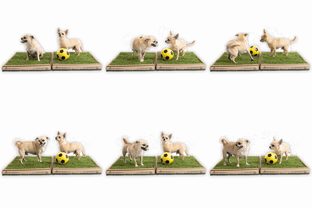
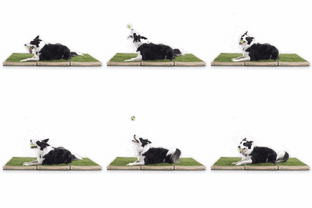
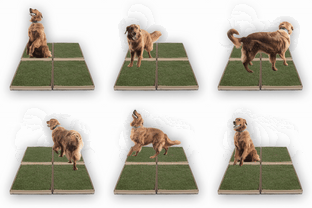
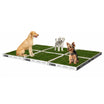
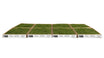
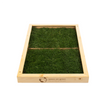
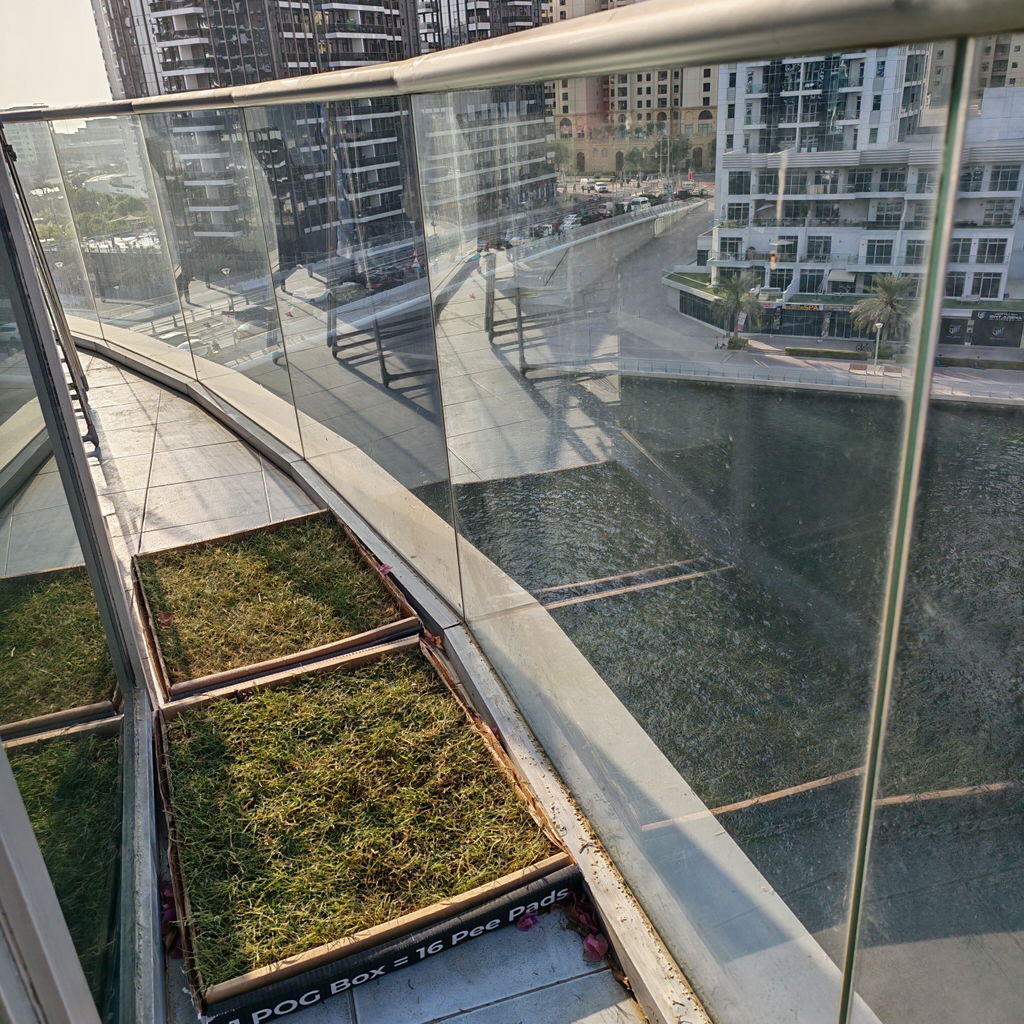
A Paws on Grass, or POG, real-grass toilet can provide an accessible option in a suitable indoor area or shaded balcony space.
Real grass may feel familiar to dogs that already associate grass with toileting. However, not every dog will use a new indoor toilet immediately.
They may need:
- A consistent location
- Their usual toilet cue
- Supervision during the introduction
- Immediate rewards after successful use
- Time to build a positive association with the area
Follow POP’s step-by-step POG training guide before expecting your dog to use the grass independently during a full workday.
If your dog uses the indoor toilet and then settles, physical urgency may have contributed to the pacing.
If they continue pacing, vocalising or focusing on the exit after toileting, emotional distress may also be involved.
If they ignore the grass toilet, do not immediately assume they do not need to go. Consider whether they have been trained to use it, whether the toilet is easy to reach and whether discomfort may be affecting their behaviour.
POG can support toilet access, but it does not replace outdoor walks, exercise, interaction or professional care for separation-related problems.
Adjust Your Morning Routine
Before leaving for work, give your dog a proper and unhurried toilet opportunity.
A rushed two-minute trip outside may not be enough, particularly if your dog becomes distracted or needs more time after breakfast.
Try to:
- Wake up early enough to avoid rushing.
- Offer a toilet break before breakfast.
- Allow time for another toilet opportunity after eating.
- Use the same cue each morning.
- Reward your dog immediately after they use the correct place.
- Leave calmly rather than creating a dramatic goodbye.
POP’s 6 AM / 8 PM UAE summer routine can help you plan early-morning and evening outdoor time while daytime temperatures remain high.

Set Up Your Pet Camera Properly
The camera should help you observe patterns rather than increase your own stress.
Position it so you can see:
- The front door
- Your dog’s main resting area
- Their water bowl
- The route to the balcony or indoor toilet
- Their designated toilet area, if possible
Instead of checking the app every few minutes, review specific periods or use alerts for continued barking and major movement.
Notice what happens before the behaviour begins.
Did your dog wake from a nap and immediately visit the toilet area? Did they begin pacing when they heard the lift? Did they settle after using their grass toilet? Did they remain distressed for most of the absence?
A pattern across several days is more useful than one short clip.
When the Camera Is Telling You to Call a Vet
Not every toilet-related problem is caused by routine changes.
Speak to your veterinarian if you notice:
- Repeated attempts to urinate
- Straining or signs of pain
- Very small amounts of urine
- Blood in the urine
- A sudden increase in thirst
- Urine leaking while the dog sleeps
- Persistent licking around the urinary area
- Sudden accidents in a fully trained dog
- Vomiting, weakness or unusual tiredness
A dog repeatedly attempting to urinate while producing little or no urine may need urgent veterinary care.
You should also seek qualified behavioural support if your dog:
- Panics whenever you leave
- Injures themselves trying to escape
- Howls or barks continuously
- Refuses food whenever they are alone
- Cannot tolerate even very short separations
- Becomes more distressed as the absence continues
Do not punish pacing, barking or indoor accidents. Punishment does not resolve fear, discomfort or physical urgency.
The Takeaway
Your pet camera can help you notice when your dog’s behaviour begins, where they go and whether they settle after using the toilet.
What it cannot do is confirm the cause on its own.
Start by checking your dog’s routine, last toilet opportunity, meal timing, water intake and access to a familiar toilet area.
If the behaviour continues after their physical needs are met, focus on gradual alone-time support. If you notice pain, repeated toilet attempts or sudden changes in a trained dog, contact your veterinarian.
The goal is not to watch every movement.
It is to understand the pattern well enough to give your dog the support they actually need.



Leave a comment
This site is protected by hCaptcha and the hCaptcha Privacy Policy and Terms of Service apply.