









Important note: This article provides general guidance only and does not replace professional veterinary advice. If your dog eats something unsafe or has an existing medical condition, contact a licensed veterinarian immediately.
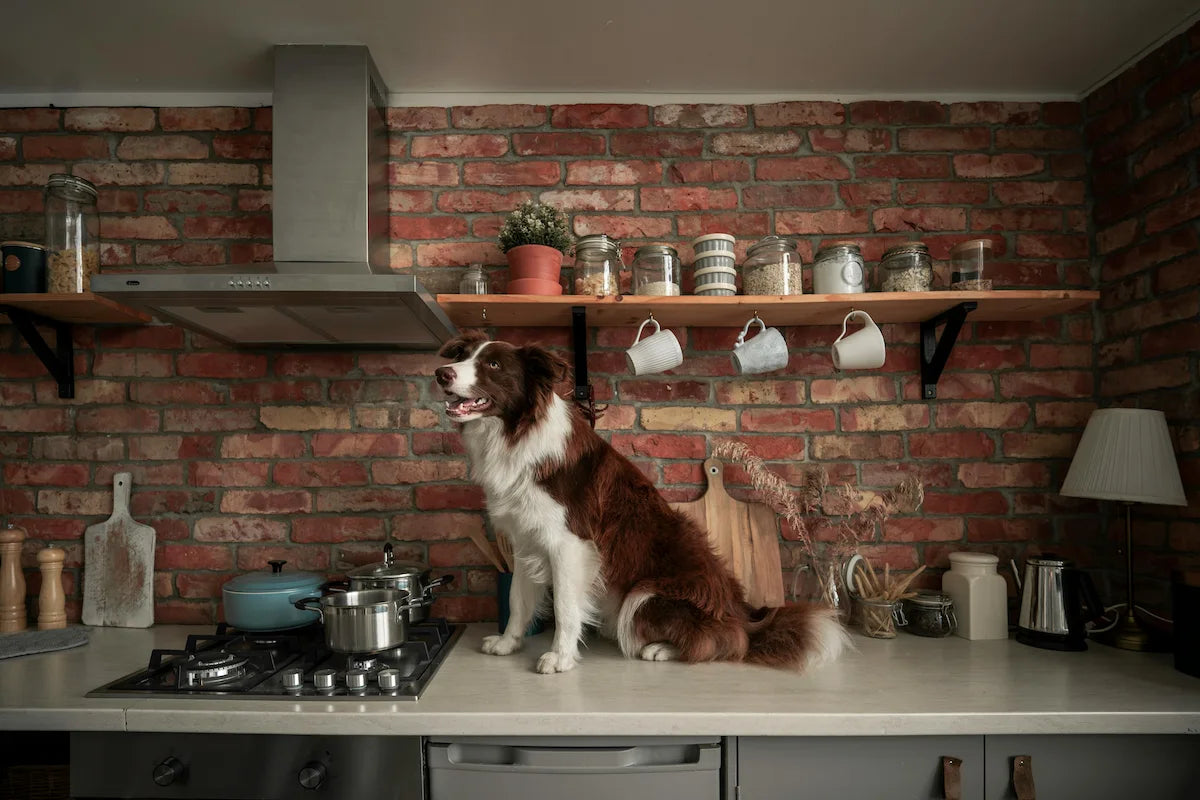
Most food-related emergencies do not begin with obvious danger. They begin with a small bite from the kitchen counter, a dropped snack, or a well-meaning treat.
This guide explains what dogs should never eat, what foods are high risk, and how to respond quickly if something goes wrong.
The 30-Second Food Safety Check
Before offering any human food, pause and ask:
- Does it contain chocolate or caffeine?
- Does it contain xylitol or any artificial sweetener?
- Does it contain grapes, raisins, or currants?
- Does it include onion, garlic, or seasoning powders?
- Does it contain bones, pits, seeds, or hard fragments?
- Is it plain, without sauces, heavy salt, or frying?
If there is uncertainty at any point, it is safer not to offer it.

Foods Dogs Should Never Eat
These foods are medically documented as toxic. Contact a veterinarian immediately if your dog may have eaten any of them.
Chocolate and Caffeine
Chocolate contains theobromine and caffeine, which dogs process slowly. Dark chocolate presents the highest risk.
Xylitol
Xylitol is a sugar substitute found in some peanut butters, sugar-free gum, protein bars, baked goods, and desserts. It can cause a rapid drop in blood sugar and may lead to liver failure.
Grapes, Raisins, and Currants
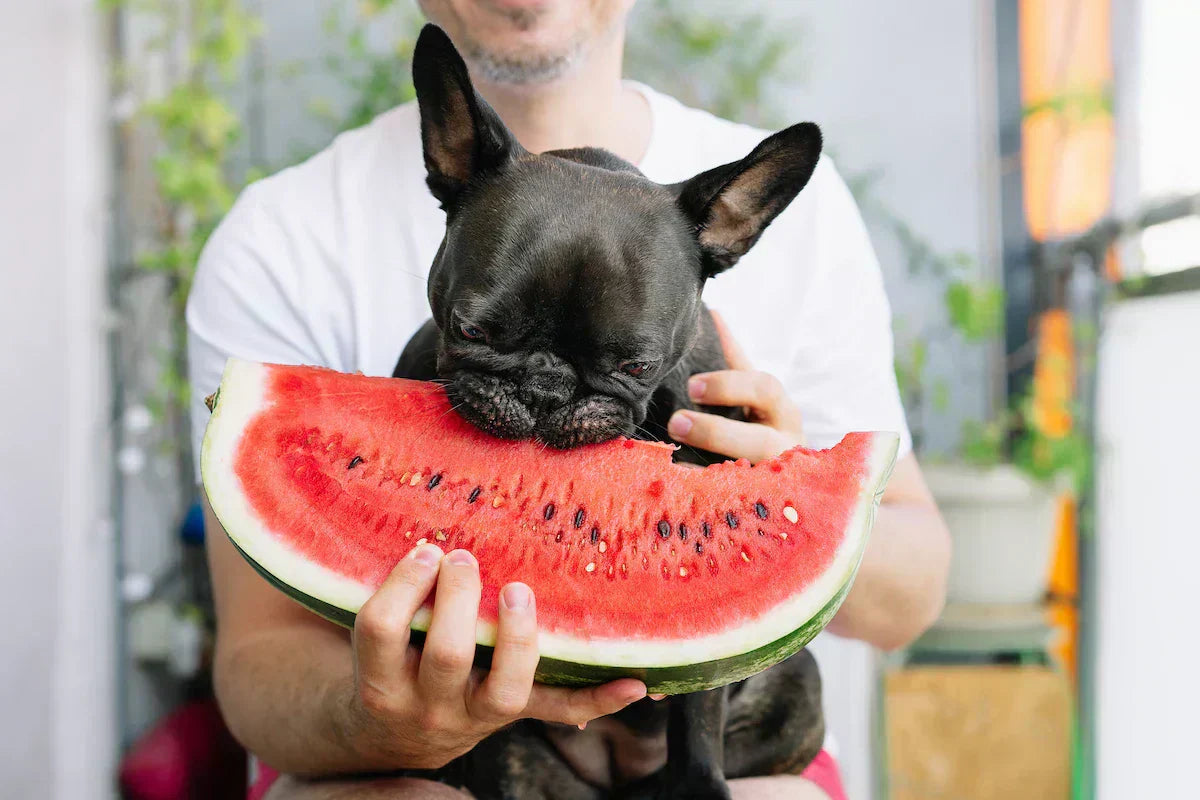
Grapes and raisins are among the most dangerous fruits for dogs, as they can trigger sudden kidney failure with no known safe amount.
Onions, Garlic, and Leeks
All members of the allium family can damage red blood cells. Powdered forms used in cooking are equally dangerous.
Alcohol and Raw Yeast Dough
Alcohol depresses the central nervous system. Raw dough can expand in the stomach and produce alcohol as it ferments.
Macadamia Nuts
Associated with weakness and tremors.
Cooked Bones
Cooked bones can splinter and cause internal injury. Even small fragments can create choking hazards or intestinal blockage.
Mouldy or Spoiled Food
Spoiled food may contain toxins that trigger tremors or seizures.
High-Risk Foods That Can Still Cause Harm
These foods are not always classified as toxic but can create serious complications.
Fatty Trimmings and Fried Foods
Excess fat can trigger pancreatitis. Pancreatitis can cause severe abdominal pain and may require hospitalization.
Excess Salt
High sodium intake may lead to dehydration and imbalance.
Large Quantities of Dairy
Many dogs are lactose intolerant.
Heavily Seasoned Meals
Prepared foods often contain hidden onion or garlic powders.
Large Amounts of Liver
Excessive consumption over time may lead to vitamin imbalance.

Hidden Kitchen Risks
Food accidents often happen during routine disruptions rather than intentional feeding. Common examples include:
-
Sugar-free desserts left within reach
-
Gift chocolates placed on low tables
-
Trail mix containing raisins
-
Protein bars stored in bags
-
Open or unsecured garbage bins
Consistent routines can reduce opportunistic scavenging and help your dog feel more secure at home. A designated space for your dog’s daily routine can also help limit access to unsafe areas.
What To Do If Your Dog Eats Something Unsafe
Act immediately.
- Remove any remaining food.
- Note what was eaten, how much, and when.
- Contact a licensed veterinarian.
- Do not induce vomiting unless instructed by a professional.
Within the UAE, commonly contacted clinics include:
- Modern Vet
- British Veterinary Hospital
- Canadian Veterinary Clinic
- Dubai Municipality Veterinary Services
Signs of Food Poisoning in Dogs
Seek urgent veterinary care if you notice:
- Vomiting or diarrhea
- Lethargy
- Tremors
- Collapse
- Pale gums
- Increased thirst or urination
- Seizures
Symptoms vary depending on the substance involved.
Bottom Line
Some human foods are toxic. Others are simply unnecessary.
A moment of caution is often the difference between a normal day and a medical emergency.
If you are unsure about an ingredient, do not offer it - and consult your veterinarian.



Leave a comment
This site is protected by hCaptcha and the hCaptcha Privacy Policy and Terms of Service apply.