















Many dog parents notice it on walks or in the garden and wonder the same thing: why do dogs eat grass? In most cases, it’s common and not automatically a sign of illness. The key is to look at the pattern and any symptoms that come with it.
Disclaimer: This article provides general, research-based information and is not a substitute for professional veterinary advice. If your dog is unwell, has ongoing symptoms, or you suspect toxin exposure, contact a licensed veterinarian immediately.
Is it normal for dogs to eat grass?
Yes. Occasional grazing can be normal, especially if your dog is otherwise acting like themselves. Puppies may nibble grass simply because they’re exploring textures and smells. Veterinary sources note that most grass-eating dogs are not sick beforehand and do not vomit afterward.

Common reasons dogs eat grass
There isn’t one single reason. Here are the most common explanations.
Curiosity or taste
Some dogs like the texture of fresh grass and will nibble it the way they investigate other outdoor smells.
Boredom or understimulation
Some dogs graze more when walks are repetitive or they’re under-stimulated. It can be a “busy behavior,” especially if they’re not getting enough sniff time or mental engagement.
Mild stomach upset
Grass eating can sometimes happen when a dog feels slightly nauseous, but it is not a reliable “self-treatment” behavior. Grass eating doesn’t always mean your dog is trying to make themselves vomit.
Digestive discomfort or fiber
Grass contains fiber, and some dogs with mild digestive discomfort may gravitate toward it. This does not automatically mean your dog is deficient in nutrients.
Habit or a compulsive pattern
If your dog eats grass every day, urgently pulls toward it, or seems unable to disengage, it may have become a habit. Sudden obsessive grazing is worth monitoring.
Why do dogs eat grass and vomit?
Some dogs vomit after eating grass, and some never do. Grass can irritate the stomach, but vomiting afterward doesn’t always mean the dog “needed” to vomit.
Usually not urgent:
One vomit episode, then normal energy, normal appetite, and normal behavior.
More concerning:
Repeated vomiting, vomiting with diarrhea, refusal to eat, or lethargy.
When you should worry
Use this quick guide.
Green: usually normal
- Occasional grass nibbling
- No symptoms, or your dog is fine immediately afterward
- Normal appetite and energy
Yellow: monitor closely
- Sudden increase in grass eating
- Vomiting once (or mild nausea)
- Temporary stool changes (slightly softer stool)
What to do:
If symptoms continue beyond 24 to 48 hours, contact your vet for advice.
Red: call your vet today
- Repeated vomiting
- Diarrhea (especially ongoing or severe)
- Lethargy or weakness
- Signs of pain (hunched posture, restlessness, whining)
- Swollen abdomen or unproductive retching
- Blood in vomit or stool
- Suspected toxin exposure (treated lawn, chemicals, unknown plants).
If you suspect toxin exposure, contact a vet or animal poison control immediately.

The hidden risk: treated grass and chemicals
Often, the biggest risk is not the grass itself, but what may be on it. Fertilizers, herbicides, and pesticides can irritate the stomach and can be harmful if ingested. Fertilizers and lawn treatments can cause vomiting, diarrhea, lethargy, and drooling
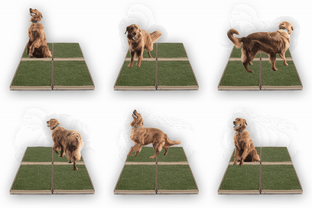
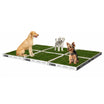
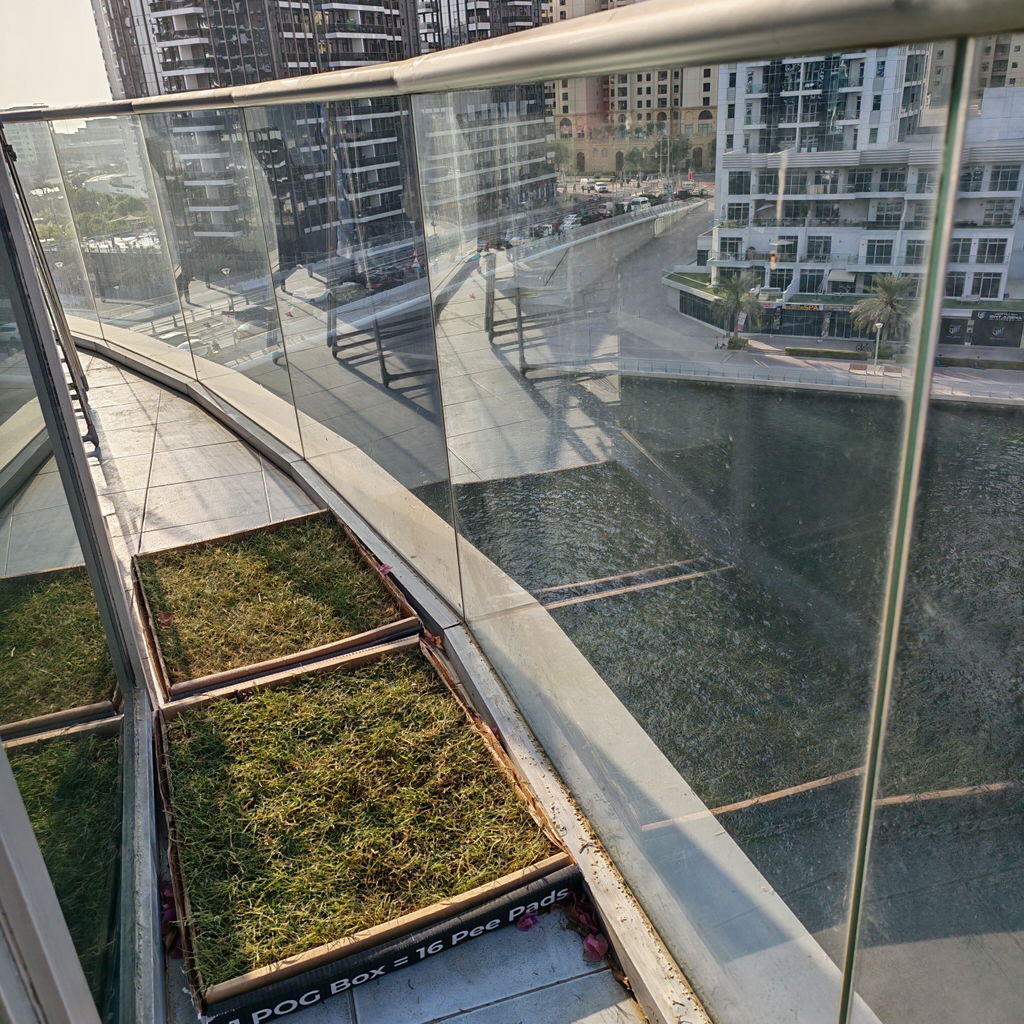
Avoid letting your dog graze in areas that may be freshly treated, or where you cannot confirm what was used. If your dog licks paws a lot after walking on treated grass, wipe paws when you get home. In areas where lawn treatments are common, some dog parents prefer clean, controlled grass access at home to reduce unknown exposure.

How to reduce grass eating safely
If grass eating is frequent, focus on management rather than punishment.
- Add enrichment on walks
- Let your dog sniff more
- Bring a toy or do short “find it” games with treats
- Vary your walking route occasionally
Check patterns
- Does it happen after meals, only on walks, or only at certain times of day?
If it’s daily or escalating, note it and mention it to your vet
Manage access calmly
- Use gentle redirection and move on
- Avoid unknown lawns or areas with chemical treatment signs
Frequently asked questions
Why does my dog eat grass every day?
Daily grazing can be habit-based or linked to mild digestive sensitivity. If it’s increasing or paired with symptoms, speak to your vet.
Should I stop my dog from eating grass?
If it’s occasional and your dog is well, it may not be necessary. The priority is preventing access to treated lawns and unknown plants.
Why does my dog eat grass and throw up?
Grass can irritate the stomach. One episode may be harmless, but repeated vomiting should be treated as a medical concern.
Can dogs get worms from eating grass?
Grass itself doesn’t “create” worms, but contaminated environments can expose dogs to parasites. Keep up with vet-recommended prevention.
What does it mean if my dog suddenly starts eating grass?
Sudden changes in behavior should be monitored. If it happens alongside appetite loss, vomiting, diarrhea, or lethargy, contact your vet.





Leave a comment
This site is protected by hCaptcha and the hCaptcha Privacy Policy and Terms of Service apply.